How to Match Shoes, Heels and the Perfect Outfit for Every Occasion in England
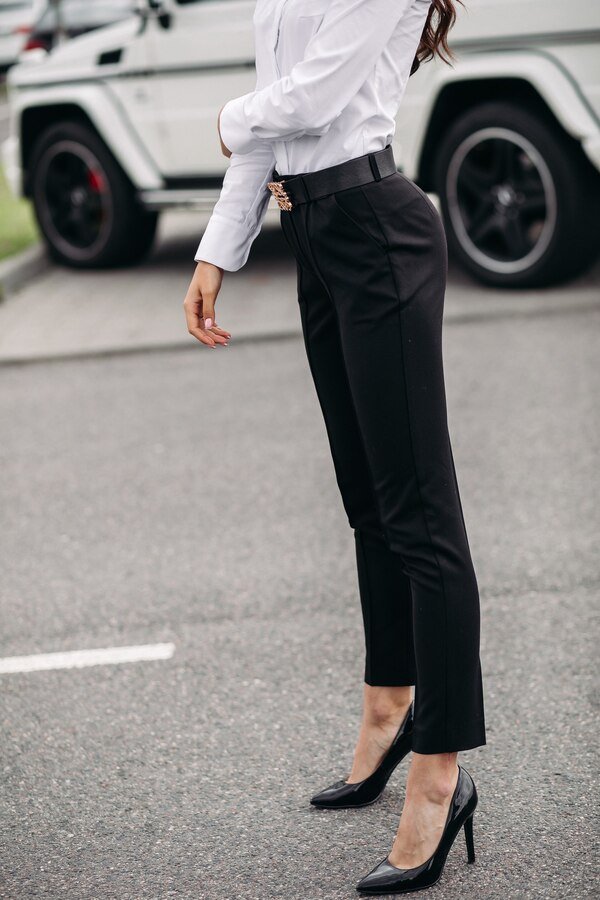
Building an outfit around the right shoes is one of the easiest ways to look polished, especially in England, where the weather, social codes and dress expectations can change from one street to the next. Below is a practical guide to choosing and matching shoes, heels and outfits for different British occasions, from office days to countryside weekends and formal events.
1. General Rules for Matching Shoes and Outfits
Before diving into specific occasions, a few fundamentals help every look feel intentional rather than random.
Consider the Dress Code First
- Formal: Closed-toe heels or smart flats, leather or high‑quality faux leather, simple design, classic colours.
- Smart casual: Loafers, ankle boots, block heels, sleek trainers, ballet flats.
- Casual: Trainers, sandals, chunky boots, espadrilles, relaxed flats.
Match the Level of Refinement
Shoes should be at least as “smart” as the rest of your outfit, never noticeably more casual. For example:
- Tailored suit + clean leather loafers or courts, not bulky sports trainers.
- Floaty summer dress + delicate sandals, not heavy winter boots.
Use Colour Intentionally
Instead of trying to match shoes exactly to your clothes, think in terms of harmony and contrast:
- Neutrals that go with almost anything: black, navy, tan, beige, grey, white, chocolate brown.
- Understated match: shoes one or two shades darker than your outfit.
- Statement contrast: red shoes with a navy dress, emerald with black, metallics with jewel tones.
- For patterns: pick one colour from the print and echo it in your shoes.
Balance Proportions
- Wider, fuller trousers or long skirts often work better with chunkier heels, platforms or sturdy boots.
- Narrow trousers, pencil skirts and slim dresses often suit sleeker heels or flats.
- If your outfit is already bold (ruffles, volume, bright prints), keep your shoes simpler.
Think About the British Weather
In England, always ask: “What if it rains?”
- Prefer block heels over very thin stilettos when you may walk on cobbles, grass or wet pavements.
- Leather ankle boots and polished loafers are year‑round heroes.
- Protect suede with spray or keep it for dry days and mostly indoor events.
- Keep fold‑up flats in your bag for nights out and weddings where you’ll be on your feet.
2. Everyday in England: Work, Errands and Commuting
Office and Professional Settings
Most English workplaces lean business casual unless you’re in very formal sectors (law, finance, certain corporate roles).
Reliable pairings:
- Tailored trousers + blouse + blazer
- Shoes: leather loafers, low block-heel pumps, brogues, court shoes.
- Colours: black, navy, oxblood, tan.
- Pencil skirt or midi skirt + knit or shirt
- Shoes: classic pumps, kitten heels, elegant ankle boots (under the hem for a smooth line), sleek flats.
- Avoid: very high platforms, overly strappy sandals for conservative offices.
- Shift dress or wrap dress
- Shoes: mid‑heel courts, slingbacks, block heels, simple ballet flats.
- Navy, black or nude shoes are the easiest to rotate.
Heels height guideline:
For a full workday, 3–6 cm (1–2.5 inches) is usually the sweet spot for comfort and polish.
Smart but Practical: Commuting and Errands
In most English cities, you’ll walk a lot, climb stairs, and navigate unpredictable weather.
- Straight‑leg jeans + t‑shirt + trench or wool coat
- Shoes: white or neutral trainers, Chelsea boots, low‑heeled ankle boots, loafers.
- Day dress (shirt dress, jersey midi) + denim or leather jacket
- Shoes: trainers, ankle boots, espadrilles in summer, ballet flats.
- Keep colours neutral or soft (white, beige, tan) for easy mixing.
- Wide‑leg trousers + knit + long coat
- Shoes: platform trainers, chunky loafers or block‑heel ankle boots to balance the volume.
3. Evenings Out: Pubs, Restaurants, Bars and Theatre
Evening dress codes in England range from very relaxed pubs to dressy cocktail bars. The shoes set the tone.
Casual Pubs and Gastro Pubs
Jeans or casual dresses are usually fine.
- Skinny or straight jeans + blouse or fitted knit
- Shoes: ankle boots, loafers, stylish trainers, low to mid‑heel boots.
- Dark leather looks smarter than canvas.
- Floral tea dress + knit cardigan or leather jacket
- Shoes: ankle boots (heeled or flat), ballet flats or sandals in summer.
Avoid shoes that are hard to stand in; you may not get a seat immediately.
Dinner Dates and Smart Restaurants
Here you want “smart casual” or “dressy” without looking overdone.
- Tailored trousers + silk or satin top
- Shoes: pointed‑toe heels, heeled mules, elegant loafers.
- Metallic or jewel‑tone heels can act as a subtle statement.
- Little black dress or sleek midi dress
- Shoes: classic black or nude heels, strappy sandals, slingbacks.
- In colder weather: opaque tights + ankle boots with a neat heel.
- Jumpsuit
- Shoes: block heels, wedges in summer, or pointed courts in winter.
- Match shoe colour to your belt or bag for cohesion.
Theatre, Concerts and West End Shows
Dress codes are more relaxed than many expect, but an elevated outfit feels appropriate.
- Smart midi skirt + blouse or knit
- Shoes: mid‑heel courts, slingbacks, suede ankle boots.
- Chic dress + blazer or wrap
- Shoes: comfortable block heels or elegant flats; you’ll be walking to and from the venue.
4. Weddings and Formal Events in England
Weddings, races and black‑tie occasions come with stronger expectations around dress.
English Weddings
You’ll likely deal with lawns, long days and photos—comfort and elegance both matter.
Best shoe choices:
- Block heels or wedges
- Ideal for grass and cobbled courtyards. Nude, blush, metallic gold or silver complement most dresses.
- Strappy sandals with sturdy heels
- Suited to summer weddings; choose a height you can walk in for hours.
- Dressy flats
- Embellished flats, pointed‑toe pumps or low slingbacks work well if you dislike heels.
Outfit ideas and matching shoes:
- Floral midi dress + light shawl or blazer
- Shoes: nude or metallic block heels, soft pastels like dusty pink or pale blue.
- Solid‑colour dress (e.g. navy, emerald, burgundy)
- Shoes: metallics, nude, or a tonal shade slightly darker than the dress.
Avoid wearing white or anything too close to the bride’s dress colour unless explicitly allowed. Black is now acceptable at many English weddings but soften it with coloured or metallic shoes and accessories.
Black Tie and Very Formal Events
Think charity balls, high‑end galas, some winter weddings.
- Full‑length gown or very elegant midi
- Shoes: classic stilettos, satin pumps, delicate strappy heels.
- Colours: black, metallic, or matched to a key element of your outfit (bag, jewellery, embellishment).
- Dressy jumpsuit
- Shoes: sleek high heels, often pointed‑toe, to keep the line long and formal.
A small clutch or evening bag with metal hardware can be echoed in your shoes: silver bag + silver sandals, for example.
5. Work Functions, Networking, and Conferences
For these, you need shoes that look authoritative and remain comfortable through long days.
- Suit (trousers or skirt) + light blouse or shell top
- Shoes: polished courts, mid‑heel pumps, almond‑toe loafers.
- Black, navy, nude and oxblood are professional and versatile.
- Smart dress + blazer
- Shoes: block‑heel shoes, low kitten heels or luxury‑looking flats.
Keep embellishments minimal. In professional contexts in England, understatement reads as more credible than overtly flashy footwear.
6. Weekends in the English Countryside
Mud, fields and country pubs call for functional footwear that can still look stylish.
Country Walks and Outdoor Days
- Jeans or leggings + knit + waxed or quilted jacket
- Shoes: wellies (Wellington boots), waterproof hiking boots, sturdy leather boots.
- Dark green, navy, brown and black blend with typical country palettes.
Countryside Pubs and Casual Dinners
You can usually transition from walk to pub with minimal change.
- Straight jeans + blouse or fine knit
- Shoes: Chelsea boots, brogue boots, clean leather trainers.
- Sweater dress + tights
- Shoes: knee‑high boots or heeled ankle boots.
Avoid delicate suede or very high heels—they don’t mix happily with mud and stone paths.
7. City Breaks, Shopping Trips and Sightseeing
In cities like London, Manchester or Bristol, you’ll walk extensively and change environments often.
- Comfortable midi dress + denim or leather jacket
- Shoes: stylish trainers, cushioned loafers, mid‑height ankle boots.
- Culottes or wide‑leg trousers + t‑shirt + trench
- Shoes: platform trainers, flatform sandals in summer, chunky loafers.
Aim for shoes you can wear from morning until evening: leather trainers or well‑padded loafers are particularly useful.
8. Seasonal Considerations: England’s Climate and Your Shoes
Spring
- Showers are frequent; stick to leather trainers, loafers and ankle boots.
- Lighter colours (beige, blush, light grey) begin to feel right, but avoid fabrics that stain easily in rain.
Summer
- Not as hot as many countries, and evenings can be cool.
- Sandals, espadrilles, open‑toe heels for daytime; keep a light jacket and maybe closed shoes for later.
- For outdoor events, wedges or block heels beat stilettos.
Autumn
- Boots season: ankle boots, Chelsea boots, heeled boots in black, brown, burgundy and tan.
- Pair with midi skirts, jumper dresses, tailored trousers and trench or wool coats.
Winter
- Prioritise warmth, grip and water resistance.
- Knee‑high boots, lined ankle boots, smart lace‑up boots work with dresses and trousers alike.
- Patent or smooth leather is easier to wipe clean of rain and grit.
9. Colour Combinations That Rarely Fail
When in doubt, rely on these simple formulas:
- Black outfit + black shoes: timeless; add interest via texture (suede, patent, smooth leather) or metallic accessories.
- Navy outfit + tan, nude or burgundy shoes: softer and more modern than black.
- Grey outfit + black, oxblood or white trainers (for casual) or black heels (for smart).
- Earth‑tone outfits (camel, rust, khaki) + brown, tan or animal‑print shoes.
- Bright or patterned dress + nude or metallic shoes: keeps the focus on the dress.
10. Building a Small, Versatile Shoe Wardrobe for England
If you want a compact selection that covers almost every occasion:
- Black leather ankle boots – block heel, wearable with dresses and trousers.
- Neutral or white leather trainers – for casual days and city breaks.
- Classic black or nude heels – mid‑height, closed toe for work and formal events.
- Loafers or brogues in black or tan – smart casual and office.
- Dressy sandals – block or stiletto heel in metallic or nude for parties and weddings.
- Weather‑proof boots or wellies – for countryside and heavy rain.
With these, you can adapt most outfits to most occasions in the English calendar.
Matching shoes, heels and outfits in England is really about reading the dress code, respecting the weather and keeping a balance between style and practicality. When your footwear is clean, comfortable and as polished as the rest of your outfit, you’ll look appropriately dressed for almost any situation—from a Monday morning meeting to a Saturday wedding on a damp village lawn.